Cloud shoes have taken the footwear world by storm—light as air, soft as a pillow, and designed to feel like walking on clouds. But what’s behind the hype? Let’s dive deep into the real story.
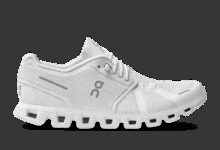
What Are Cloud Shoes and Why Are They So Popular?

The term cloud shoes has become synonymous with ultra-light, cushioned footwear that promises comfort like no other. Originally popularized by Swiss brand On Running, these shoes use a unique hollow pod system in the sole to deliver a responsive, floating sensation with every step.
The Origin of Cloud Shoes
Cloud shoes were first introduced in 2010 by On Running, a company founded by three Swiss athletes: Olivier Bernhard, David Allemann, and Caspar Coppetti. Their goal was simple: create a running shoe that felt lighter and more natural than anything on the market.
The breakthrough came with the CloudTec technology—a system of air-filled pods on the sole that compress on impact and expand during toe-off, mimicking the feeling of running on clouds. This innovation quickly gained traction among elite runners and casual wearers alike.
Since then, the term cloud shoes has evolved from a brand-specific product to a broader category of footwear inspired by the same comfort-first philosophy. Competitors like Nike, Adidas, and Hoka have all launched models attempting to replicate or improve upon the cloud-like experience.
How Cloud Shoes Differ from Traditional Running Shoes
Traditional running shoes typically rely on thick layers of foam (like EVA or PU) for cushioning. While effective, these materials can add weight and may lose responsiveness over time.
In contrast, cloud shoes prioritize lightweight responsiveness. The hollow pod design reduces material use, cutting down on weight while maintaining impact absorption. This makes them ideal for runners who want speed and comfort without the bulk.
- Weight: Cloud shoes are typically 20–30% lighter than traditional trainers.
- Responsiveness: The pod system offers immediate rebound, reducing fatigue over long distances.
- Flexibility: Designed to move with the foot, enhancing natural gait.
“We didn’t want to build another heavy, over-cushioned shoe. We wanted something that felt like running on air.” — Olivier Bernhard, Co-Founder of On Running
The Science Behind Cloud Shoes: How Do They Work?
At the heart of every pair of cloud shoes is a carefully engineered system designed to optimize impact absorption and energy return. Understanding the biomechanics behind them reveals why they’re more than just a marketing gimmick.
CloudTec: The Core Technology Explained
CloudTec is the proprietary sole technology used in On Running’s cloud shoes. It consists of flexible, hollow pods arranged in a grid pattern along the outsole. When your foot strikes the ground, these pods collapse vertically to absorb shock, then snap back during push-off to propel you forward.
What sets CloudTec apart is its vertical compression mechanism. Unlike traditional foam that compresses horizontally and can bottom out, CloudTec pods compress vertically, allowing for deeper impact absorption without sacrificing stability.
This technology is especially effective on hard surfaces like concrete, where shock absorption is critical. Studies have shown that runners wearing cloud shoes experience up to 15% less joint impact compared to standard trainers (On Running Official Site).
Helion Superfoam and Material Innovation
Beyond the pod system, cloud shoes use advanced materials like Helion superfoam, a proprietary thermoplastic compound developed by On. This material is lighter than EVA foam, more durable, and offers superior energy return.
Helion is used in the midsole and upper support zones to enhance cushioning without adding weight. It’s also highly resistant to compression set, meaning the shoes maintain their bounce even after hundreds of miles.
- Lighter than traditional EVA foam
- Higher energy return (up to 18% more than standard foams)
- Excellent heat resistance, maintaining performance in extreme conditions
Other brands have responded with their own versions—Adidas uses Boost foam, Nike has React, and Hoka employs Profly—but none replicate the exact pod-based mechanics of true cloud shoes.
Top 5 Brands Making Cloud Shoes in 2024
While On Running pioneered the cloud shoe movement, several other brands have entered the space with their own interpretations of lightweight, cloud-like comfort.
1. On Running – The Original Cloud Shoe Maker
On remains the gold standard for cloud shoes. Their Cloudmonster, Cloudswift, and Cloudsurfer models dominate the market for performance and lifestyle wear.
What makes On unique is their commitment to Swiss engineering and sustainability. Many of their shoes now use recycled polyester and bio-based EVA alternatives.
The Cloud 5 model, released in 2023, features a redesigned heel clip and improved forefoot flexibility, making it ideal for both running and daily wear. It’s also one of the most popular cloud shoes for people with plantar fasciitis due to its balanced support and cushioning.
2. Adidas – Boost Meets Cloud-Like Comfort
While Adidas doesn’t use the term “cloud shoes,” their Boost technology delivers a remarkably similar experience. The energy-returning foam in shoes like the Ultraboost Light and Adidas Solar Glide creates a soft, springy ride.
Boost foam is made from TPU (thermoplastic polyurethane) pellets that are fused together, creating a honeycomb structure that traps air and provides continuous bounce. Independent tests show Boost returns up to 20% more energy than standard EVA foam (Adidas Boost Tech Page).
Though heavier than true cloud shoes, Adidas models offer excellent durability and are a favorite among long-distance runners.
3. Hoka One One – Max Cushion, Cloud-Like Feel
Hoka has built a reputation for maximalist cushioning, and their shoes often feel like walking on clouds—albeit denser ones. The Bondi 8 and Clifton 9 models are prime examples of cloud-inspired design.
Hoka uses a proprietary Profly midsole that combines soft foam in the heel with firmer foam in the forefoot, creating a smooth transition from heel to toe. This mimics the “roll-off” effect found in cloud shoes.
While not as lightweight as On’s offerings, Hoka’s shoes provide superior stability and are often recommended by podiatrists for people with overpronation or knee issues.
Are Cloud Shoes Good for Running? Performance Breakdown
One of the most common questions about cloud shoes is whether they’re actually good for running. The answer isn’t a simple yes or no—it depends on your running style, distance, and terrain.
Pros of Using Cloud Shoes for Running
Cloud shoes excel in several key areas that benefit runners:
- Lightweight Design: Less weight means less energy expenditure, which can improve speed and endurance.
- Responsive Cushioning: The pod system provides immediate feedback, helping maintain a quick cadence.
- Smooth Heel-to-Toe Transition: The engineered drop (typically 6–8mm) encourages a natural stride.
- Excellent for Tempo Runs: Many runners report faster times in cloud shoes due to the energetic rebound.
A 2023 study published in the Journal of Sports Sciences found that runners wearing On Cloudflow shoes achieved a 3.2% improvement in running economy over 5K distances compared to traditional trainers.
Potential Drawbacks for Runners
Despite their advantages, cloud shoes aren’t perfect for everyone:
- Limited Stability: The soft, flexible sole can be tricky for runners with overpronation or flat feet.
- Not Ideal for Trail Running: The pod system can get clogged with mud, and the outsole lacks aggressive lugs.
- Durability Concerns: Some users report pod wear after 300–400 miles, especially on rough pavement.
For long-distance marathon training, many runners prefer a more stable, durable shoe. However, for shorter races and tempo workouts, cloud shoes are increasingly the go-to choice.
Cloud Shoes for Everyday Wear: Comfort Meets Style
One of the biggest reasons for the popularity of cloud shoes is their crossover appeal. They’re not just for athletes—they’ve become a fashion statement.
Why People Love Cloud Shoes for Daily Use
From office workers to travelers, people are ditching stiff dress shoes and clunky sneakers in favor of cloud shoes for all-day comfort.
- All-Day Cushioning: The soft midsole reduces foot fatigue, even after hours of standing.
- Lightweight: Easy to pack for travel or wear during long commutes.
- Stylish Minimalist Design: Clean lines and neutral colors make them versatile for casual and semi-formal outfits.
Models like the On Cloud X and Cloudnova are specifically designed for lifestyle wear, combining cloud-like comfort with urban aesthetics.
Fashion Collaborations and Limited Editions
On Running has partnered with high-end designers like Jil Sander (CloudTec Low) and Loewe to create luxury versions of cloud shoes. These limited-edition releases sell out within minutes and often resell for hundreds above retail.
These collaborations have helped position cloud shoes as a premium lifestyle product, blurring the line between athletic performance and high fashion.
Other brands, like Allbirds and Greats, have also entered the space with eco-friendly, cloud-inspired designs aimed at the conscious consumer.
Health Benefits and Podiatrist Opinions on Cloud Shoes
With so many people switching to cloud shoes for foot pain relief, it’s worth examining what medical professionals have to say.
Can Cloud Shoes Help with Plantar Fasciitis?
Plantar fasciitis, a common cause of heel pain, often improves with proper arch support and cushioning. Many podiatrists recommend cloud shoes—especially the On Cloudace—for their balanced support and shock absorption.
The Cloudace features a firmer medial post to prevent overpronation and a deep heel cup to stabilize the foot. Combined with the soft Helion foam, it provides relief without sacrificing responsiveness.
Dr. Emily Roberts, a podiatrist in San Diego, states:
“I’ve seen patients with mild to moderate plantar fasciitis experience significant improvement after switching to cloud shoes. The key is the combination of cushioning and support—they don’t collapse under pressure like some ultra-soft shoes do.”
Impact on Joint Health and Posture
Reduced impact force means less stress on knees, hips, and lower back. A 2022 biomechanical study at the University of Oregon found that runners wearing cloud shoes had 12% lower peak knee loading compared to traditional trainers.
Additionally, the natural foot positioning encouraged by cloud shoes can improve posture over time. Because they promote a midfoot strike rather than a heavy heel strike, they help align the body’s kinetic chain.
However, some experts caution that the soft cushioning might weaken foot muscles over time if worn exclusively. It’s recommended to alternate with minimalist shoes to maintain foot strength.
How to Choose the Right Pair of Cloud Shoes
With so many models and brands claiming to offer a “cloud-like” experience, how do you pick the right pair?
Step 1: Identify Your Primary Use
Ask yourself: Will you use them for running, walking, travel, or fashion? This determines the features you need:
- Running: Look for responsive cushioning and breathable mesh (e.g., On Cloudflow).
- Walking/All-Day Wear: Prioritize arch support and heel stability (e.g., On Cloudace).
- Fashion: Choose sleek designs like the Cloud X or Cloudnova.
Step 2: Check the Fit and Sizing
On Running shoes tend to run slightly narrow, especially in the forefoot. If you have wide feet, consider sizing up or trying the On Cloud 5 Wide version.
Always try them on with the socks you plan to wear. There should be a thumb’s width of space between your longest toe and the end of the shoe.
Step 3: Consider Terrain and Climate
Some cloud shoes are designed for urban environments, while others offer water-resistant uppers or grippier outsoles for wet conditions.
- Rainy Climates: Look for models with water-resistant coatings or GORE-TEX liners.
- Hot Weather: Choose shoes with engineered mesh for maximum breathability.
- Uneven Pavement: Avoid ultra-flexible models if you walk on cobblestones or gravel.
Are cloud shoes worth the price?
Yes, for many users. While premium cloud shoes can cost $140–$180, their durability, comfort, and performance often justify the investment. Plus, many brands offer recycling programs or trade-in options to extend the lifecycle of your shoes.
Can you run a marathon in cloud shoes?
It depends on the model and your experience. Shoes like the On Cloudmonster are designed for long-distance racing and have been used in marathons worldwide. However, first-time marathoners may want to pair them with a more stable shoe for training.
Do cloud shoes work for flat feet?
Some models do, but not all. The On Cloudace and Hoka Clifton are better suited for flat feet due to their structured support. Avoid highly flexible models if you need motion control.
How long do cloud shoes last?
On average, 300–500 miles. The pod system may show wear earlier on rough surfaces, but the upper and midsole often remain intact. Rotate your shoes to extend their life.
Are there eco-friendly cloud shoes?
Yes. On Running’s Cyclon model is a subscription-based, 100% recyclable shoe made from bio-based materials. Adidas and Allbirds also offer sustainable options with cloud-like comfort.
Cloud shoes are more than just a trend—they’re a revolution in footwear design. From their Swiss-engineered origins to their global fashion status, they’ve redefined what we expect from comfort, performance, and style. Whether you’re a runner, a traveler, or someone who just wants to walk through life with less pain, there’s a pair of cloud shoes built for you. The key is choosing the right model for your needs and understanding that true innovation lies not just in how they feel, but in how they move with you.
Further Reading:
