Cloud drawing isn’t just child’s play—it’s a powerful artistic and scientific tool that blends imagination with observation. From sketching fluffy cumulus to mapping storm systems, cloud drawing captures the sky’s ever-changing beauty in stunning detail.
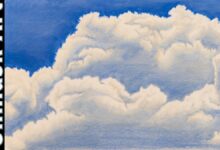
What Is Cloud Drawing and Why It Matters

Cloud drawing is the practice of visually representing clouds through sketches, paintings, or digital art. It’s more than just doodling—it’s a way to study weather patterns, enhance artistic skills, and connect with nature. Whether you’re an artist, a meteorologist, or a curious observer, cloud drawing offers a unique lens to view the atmosphere.
The Artistic Definition of Cloud Drawing
Artistically, cloud drawing involves capturing the form, texture, and movement of clouds using various mediums like pencil, charcoal, watercolor, or digital tools. Artists use cloud drawing to add depth and mood to landscapes, often emphasizing light and shadow to create realism.
- Uses shading techniques to depict volume and light direction
- Often part of plein air (outdoor) sketching traditions
- Helps artists understand atmospheric perspective
“The sky is the daily bread of the eyes.” – Ralph Waldo Emerson
Scientific and Educational Applications
Scientists and educators use cloud drawing to teach meteorology and climate science. By sketching cloud types, students learn to identify formations like cirrus, stratus, and cumulonimbus—key indicators of weather changes.
- Used in school curricula to teach weather patterns
- Helps in citizen science projects like NASA’s S’COOL program
- Supports field observations in environmental studies
For example, the NASA Cloud Identification Chart encourages students to draw and classify clouds as part of atmospheric research.
History of Cloud Drawing: From Leonardo to Modern Times
Cloud drawing has a rich history that spans centuries, evolving from artistic curiosity to scientific documentation. The practice reveals how humans have long been fascinated by the sky’s mysteries.
Leonardo da Vinci and Early Sky Studies
Leonardo da Vinci was one of the first to systematically study and draw clouds. His notebooks from the 15th and 16th centuries contain detailed sketches of cloud formations, showing an understanding of light, volume, and air currents.
- Drew clouds to improve realism in paintings
- Studied how light interacts with moisture in the air
- Used observational notes alongside sketches
His work laid the foundation for both artistic and scientific cloud observation.
The 19th Century: Birth of Cloud Classification
In 1802, Luke Howard, a British pharmacist and amateur meteorologist, introduced the first scientific cloud classification system. His terms—cumulus, stratus, cirrus, and nimbus—are still used today.
- Published “On the Modifications of Clouds,” linking names to visual forms
- Inspired artists like John Constable to draw clouds with scientific accuracy
- Enabled consistent cloud drawing across global weather reports
Howard’s work transformed cloud drawing from art into a standardized observational tool.
Types of Clouds and How to Draw Them
Understanding cloud types is essential for accurate cloud drawing. Each category has distinct shapes, altitudes, and textures that influence how they should be rendered.
Cumulus: The Fluffy Giants
Cumulus clouds are the classic “cotton ball” clouds, often seen on sunny days. They have flat bases and puffy tops, indicating fair weather—unless they grow vertically into cumulonimbus.
- Use soft, rounded strokes with a pencil or brush
- Leave white spaces for highlights
- Add subtle gray shading underneath to show volume
For realistic cloud drawing of cumulus, observe how sunlight hits the top while the base remains shadowed.
Stratus: The Blanket Clouds
Stratus clouds form low, gray layers that cover the sky like a blanket. They often bring overcast conditions and light drizzle.
- Use broad, horizontal strokes
- Keep tones even with minimal contrast
- Blur edges slightly to show diffusion
Cloud drawing of stratus clouds benefits from using a blending stump or soft brush to create a smooth, uniform appearance.
Cirrus: The High-Flying Feathers
Cirrus clouds are thin, wispy, and found at high altitudes. Made of ice crystals, they often signal a change in weather.
- Use fine lines with a sharp pencil or liner brush
- Draw feathery, curved strokes
- Keep most of the area light with faint gray tones
For effective cloud drawing of cirrus, focus on delicacy and flow—avoid heavy shading.
Essential Tools and Materials for Cloud Drawing
The right tools can elevate your cloud drawing from simple sketches to professional-quality artwork. Whether you prefer traditional or digital methods, choosing the correct materials is crucial.
Traditional Art Supplies
Many artists still favor physical tools for cloud drawing due to their tactile feedback and natural textures.
- Pencils (2B–6B): Ideal for shading and soft gradients
- Charcoal sticks: Great for dramatic, high-contrast skies
- Watercolor paints: Perfect for capturing the translucency of clouds
- Blending stumps: Help smooth gradients in pencil or charcoal work
For beginners, a simple sketchbook and HB pencil are enough to start practicing cloud drawing outdoors.
Digital Tools and Software
Digital platforms offer flexibility and precision for modern cloud drawing.
- Tablets (iPad, Wacom): Provide pressure sensitivity for natural strokes
- Apps (Procreate, Adobe Fresco): Offer brushes that mimic real media
- Layers: Allow separate work on sky, clouds, and background
Digital cloud drawing lets you experiment without wasting paper and easily undo mistakes.
Step-by-Step Guide to Mastering Cloud Drawing
Mastering cloud drawing requires observation, technique, and practice. Follow this step-by-step process to create realistic and expressive cloud sketches.
Step 1: Observe Real Clouds
Before drawing, spend time watching clouds. Note their shape, movement, and how light affects them.
- Choose a clear day with visible cloud formations
- Sit in one spot and sketch quick thumbnails
- Pay attention to wind direction and cloud evolution
Observation is the foundation of authentic cloud drawing.
Step 2: Sketch the Basic Shape
Start with light, loose lines to outline the cloud’s general form.
- Use a hard pencil (H or 2H) for faint guidelines
- Avoid rigid outlines—clouds have soft edges
- Focus on the overall mass, not details
This stage sets the structure for later shading.
Step 3: Add Shading and Volume
Now build depth by adding shadows and highlights.
- Identify the light source (usually the sun)
- Shade the underside and inner crevices
- Leave the top and edges bright
Use a range of grays to create a three-dimensional effect in your cloud drawing.
Cloud Drawing in Education and Science
Cloud drawing plays a vital role in classrooms and scientific research. It bridges the gap between visual learning and atmospheric science.
Teaching Weather Patterns Through Art
Teachers use cloud drawing to help students understand meteorology in an engaging way.
- Students draw clouds after outdoor observation
- Compare drawings to official cloud charts
- Discuss what each type means for weather
This hands-on approach improves retention and curiosity.
Citizen Science and Cloud Observation
Programs like NASA’s S’COOL (Students’ Cloud Observations On-Line) invite people to submit cloud drawings and reports to validate satellite data.
- Participants observe and sketch clouds at specific times
- Data is compared with satellite overpasses
- Helps improve climate models
Visit NASA S’COOL to join and contribute your own cloud drawing to real science.
Cloud Drawing as a Mindfulness Practice
Beyond art and science, cloud drawing is a form of mindfulness. It encourages presence, focus, and emotional calm.
Connecting with Nature Through Observation
Cloud drawing slows you down, forcing you to truly see the sky.
- Reduces mental clutter
- Enhances sensory awareness
- Promotes a sense of wonder
Like cloud gazing, the act of drawing clouds can be meditative.
Therapeutic Benefits of Sky Art
Mental health professionals sometimes use cloud drawing in art therapy.
- Helps express emotions non-verbally
- Encourages relaxation and focus
- Builds confidence through creative achievement
Even 10 minutes of cloud drawing can reduce stress and improve mood.
Common Mistakes in Cloud Drawing and How to Fix Them
Even experienced artists make errors in cloud drawing. Recognizing these pitfalls can dramatically improve your results.
Using Hard Edges
One of the most common mistakes is drawing clouds with sharp, defined borders.
- Problem: Clouds are soft and diffuse
- Solution: Use blending tools and avoid outlining
- Tip: Smudge pencil lightly at edges for a natural fade
Over-Shading
Too much dark shading makes clouds look like rocks or smoke.
- Problem: Clouds are mostly white and light gray
- Solution: Use minimal shading, focus on subtle gradients
- Tip: Erase highlights instead of drawing white areas
Ignoring Light Source
Without a consistent light direction, clouds lose realism.
- Problem: Shadows appear random
- Solution: Define the sun’s position early
- Tip: Sketch a light arrow on your page as a guide
Inspiring Cloud Drawing Artists and Projects
Throughout history, many artists have elevated cloud drawing to an art form. Studying their work can inspire your own practice.
John Constable: Master of Skies
The 19th-century British painter John Constable was obsessed with skies. He believed the sky was the “keynote” of a landscape.
- Drew hundreds of cloud studies in Hampstead
- Noted weather conditions on the back of sketches
- Used oil sketches to capture fleeting moments
His cloud drawings are now celebrated for their accuracy and emotional depth.
Modern Digital Cloud Artists
Today, digital artists use tablets and software to create hyper-realistic cloud drawings.
- Artists like James Mylne and Craig Mullins blend photography with digital painting
- Share work on platforms like Instagram and ArtStation
- Inspire new generations to explore cloud drawing
Explore ArtStation to see stunning examples of contemporary cloud drawing.
Tips to Improve Your Cloud Drawing Skills
Like any skill, cloud drawing improves with practice and intention. Here are proven tips to help you grow.
Practice Daily Cloud Sketching
Even five minutes a day can build your observational skills.
- Carry a small sketchbook
- Draw one cloud each day
- Label the date and weather conditions
Over time, you’ll notice patterns and improvements.
Study Light and Shadow
Understanding how light shapes clouds is crucial.
- Observe how sunlight creates gradients
- Notice reflected light from the ground
- Use a value scale to practice tonal ranges
This knowledge transforms flat sketches into dynamic cloud drawings.
Join a Cloud Drawing Community
Sharing your work with others provides feedback and motivation.
- Participate in online challenges (#CloudDrawingChallenge)
- Join art groups on Reddit or Facebook
- Attend local sketching meetups
Community support can accelerate your learning curve.
What is the best way to start cloud drawing?
The best way to start cloud drawing is by observing real clouds and sketching them with a pencil and paper. Begin with simple shapes, focus on light and shadow, and don’t worry about perfection. Use free resources like the Met Office Cloud Guide to learn cloud types.
Do I need special tools for cloud drawing?
No, you don’t need special tools. A basic sketchbook and pencil are enough to start. As you progress, you might explore charcoal, watercolor, or digital tablets, but the essentials are minimal. The key is consistent practice, not expensive materials.
Can cloud drawing help in learning weather patterns?
Yes, cloud drawing is an excellent way to learn weather patterns. By sketching and identifying cloud types, you can predict weather changes—like spotting cumulonimbus clouds before a storm. Educational programs like NASA’s S’COOL use cloud drawing to teach students about meteorology.
Is cloud drawing considered a form of meditation?
Many people find cloud drawing meditative. The act of focusing on the sky, observing subtle changes, and translating them into art promotes mindfulness and relaxation. It’s a calming practice that connects you with nature and reduces stress.
Who are some famous cloud drawing artists?
John Constable is one of the most famous cloud drawing artists, known for his detailed sky studies. Leonardo da Vinci also made extensive cloud sketches. In modern times, digital artists on platforms like ArtStation continue this tradition with stunning realism.
Cloud drawing is far more than a simple sketch—it’s a bridge between art, science, and mindfulness. Whether you’re capturing the drama of a thunderstorm or the serenity of a cirrus sky, this practice deepens your connection to the world above. With the right techniques, tools, and curiosity, anyone can master the art of cloud drawing. So grab a pencil, look up, and let the sky inspire your next masterpiece.
Further Reading:
